
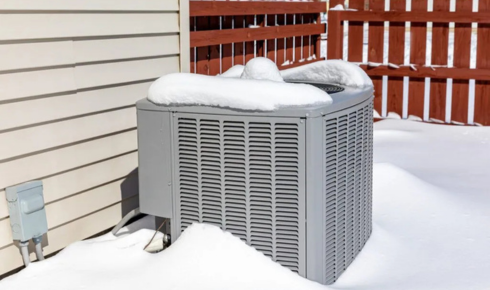
There’s something magical about the first cold snap of the year—pulling out cozy sweaters, brewing hot tea, maybe even lighting a fire. But as temperatures drop, so does our tolerance for a home that just won’t stay warm. That’s when your heating system goes from being a background player to the main star of your household. And if you’re like most people, you’re probably wondering: is my HVAC system actually ready for this winter?
We’re not just talking about cranking the thermostat. We’re talking about efficiency, comfort, and yes, cost savings. Whether you’re living in a historic brownstone with drafty corners or a brand-new build, your HVAC setup can make or break your cold-weather experience.
Let’s unpack what really matters when it comes to winter HVAC readiness—without the sales pitch or engineering jargon. Just the real stuff homeowners need to know.
When “Good Enough” Isn’t Good Enough
So you’ve got a heating system. Great. But is it running as efficiently as it could? Think of your HVAC system like a car—it might still drive, but that doesn’t mean it’s in peak condition. Over time, even solid systems lose efficiency. And the older the system, the harder it has to work to heat your space.
That “work harder” part? It shows up on your utility bills and can cut the lifespan of your unit. Not to mention the frustration of hot-and-cold spots around the house—your living room feels like a sauna, but your bedroom could double as a meat locker.
It’s why more homeowners are choosing to call in experienced heating installers who know how to assess your current system, recommend practical upgrades, and install with precision. A rushed install or overlooked ductwork can lead to long-term issues—like uneven heating, short cycling, or even carbon monoxide risks in older units.
The Real Secret Sauce: Whole-Home HVAC Comfort
Here’s a phrase you don’t hear enough in the industry: comfort isn’t just about heat. It’s about how that heat is delivered and maintained.
Some systems blast warm air quickly and shut off just as fast, leading to temperature swings. Others quietly maintain a steady warmth that feels… well, comfortable. That balance—between performance, efficiency, and even air quality—is at the heart of what pros call HVAC comfort solutions.
These solutions go beyond the furnace. They might include smart thermostats, zoning systems for multi-level homes, and humidity control to keep the air from feeling stale or dry. Ever woken up with a scratchy throat during winter? Poor humidity regulation could be the culprit.
And guess what? It’s not just a luxury. Better indoor air and stable temps can reduce stress on your HVAC system and your body. Especially for families with kids, elderly members, or allergies, that’s not a detail—it’s a necessity.
Why Winter Prep Isn’t Just a Checklist Item
It’s easy to treat HVAC maintenance as a “set it and forget it” kind of thing. But winter has a way of exposing any weak spots. That weird smell when you first turn on the heat? Probably dust burning off. That strange banging sound from the vents? Not normal. Those little signs are your system’s way of waving a red flag.
Tuning up your system now—before the freezing temps hit hard—is the kind of proactive move that saves you from mid-January emergency calls. You know, the kind where everyone else is calling, too, and you’re 47th on the list.
Winter HVAC readiness isn’t just about peace of mind—it’s about making sure you’re not gambling with comfort, safety, or your wallet. A proper pre-season inspection will check filters, look for leaks, calibrate thermostats, and make sure your heat exchanger is in good shape.
Mistakes Homeowners Often Make (And What To Do Instead)
Let’s be real for a second—most homeowners aren’t HVAC experts. And that’s okay. But here are a few common slip-ups that even savvy folks make:
- Skipping annual maintenance: Just because it ran fine last winter doesn’t mean it’s ready now. Small issues compound.
- Closing vents in unused rooms: Seems smart, but it can actually throw off system balance and cause pressure buildup.
- Ignoring airflow: Blocked vents by furniture or rugs? You’re sabotaging your system’s efficiency.
The fix? A quick walk through your home, a filter replacement, and yes—calling in a pro if you haven’t had an inspection in a while.
Tech to the Rescue: Smart Systems and Modern Controls
Today’s HVAC systems are light-years ahead of what we had a decade ago. Smart thermostats learn your schedule and can be controlled from your phone—so you’re never heating an empty house. Advanced sensors can even monitor air quality or detect when something’s off.
And let’s not forget about zoning. If you’ve got a two-story home or a big open-plan layout, zoning can help you avoid blasting heat everywhere just to stay warm in one room. It’s smarter, more energy-efficient, and surprisingly affordable these days.
Talk to an installer who can walk you through what’s compatible with your current setup and where the best return on investment lies.
Your Comfort Is Worth the Investment
Yes, a full HVAC overhaul isn’t pocket change. But neither are constant repairs, high energy bills, or a family bundled up in five layers indoors. Comfort is one of those things you don’t think much about—until you don’t have it.
When you work with experienced heating installers, you’re not just buying a furnace. You’re investing in consistent comfort, smarter energy use, and fewer headaches down the line.
Whether you’re upgrading an old system, prepping for a tough winter, or just tired of uneven temps, now’s the time to act. Not when it’s 4 a.m. and your heat gives out.
Final Thought: Cozy Isn’t a Luxury—It’s a Right
Look, your home should be your refuge. Not the place where you’re always fiddling with the thermostat or shivering under a blanket.
So take winter prep seriously this year. Don’t settle for “just working.” Aim for comfort that you feel—even if you don’t always think about it.
Because when your HVAC system is dialed in, you don’t notice it. And honestly? That’s the biggest compliment it can get.