
A home doesn’t lose its charm overnight. More often, it happens gradually. A deck board starts to feel loose underfoot, paint begins peeling near the window frames, or a little water stain appears around the chimney after a spell of heavy rain. These things are easy to overlook when life gets busy, but they can tell you quite a bit about the condition of your property.
Taking care of a home’s exterior isn’t only about appearances. It’s also about safety, durability, and preventing small problems from becoming expensive projects. The good news is that you don’t always need a major renovation to make a meaningful difference. Sometimes, a few well-planned repairs and a little regular attention are enough to keep your home in good shape for years.
Start by Looking at Your Home With Fresh Eyes
Most of us see our homes every day, which makes it surprisingly easy to miss gradual changes. A crack that appeared last winter may have widened slightly. The timber around a doorway might have started softening, or the steps leading to the garden may no longer feel as stable as they once did.
Try walking around your property once every few months with the intention of noticing these details. Check railings, stairs, exterior walls, window frames, roof edges, and the areas where different building materials meet. After heavy rain, look for places where water collects or runs down the walls.
You don’t have to diagnose every problem yourself. In fact, guessing at the cause can sometimes lead to the wrong repair. The point is to notice what’s changed and decide whether it needs professional attention.
Safety should always come first. If you spot unstable decking, loose masonry, or damaged structures above ground level, keep people away from the affected area until it has been assessed.
Give Your Outdoor Deck the Attention It Deserves
A deck can become one of the most useful parts of a home. It’s where people have breakfast on warm mornings, gather with friends, or simply sit outside after a long day. But because decks are exposed to rain, sunlight, changing temperatures, and foot traffic, their materials gradually wear down.
Timber may split, fasteners can loosen, and railings may become unstable. Composite decking can also suffer damage, although its maintenance needs differ from those of natural wood. The important thing is to recognize when an issue affects more than appearance.
Professional deck repair can address problems such as damaged boards, loose handrails, deteriorating stairs, and weakened connections. However, repairs should begin with an assessment of the underlying structure. Replacing one cracked board won’t solve the problem if the joists beneath it have been weakened by moisture or rot.
Before spending money on cosmetic improvements, check that the deck is structurally sound. Pay particular attention to posts, support beams, stair connections, and the points where the deck attaches to the house. These areas carry significant loads and shouldn’t be treated as minor finishing details.
Regular cleaning can help remove dirt and organic buildup, while appropriate sealing or staining may protect suitable timber surfaces. Always choose products designed for the material you have, and follow the manufacturer’s guidance. A little care now can make outdoor spaces safer and more enjoyable.
Why Chimneys Need More Than a Passing Glance
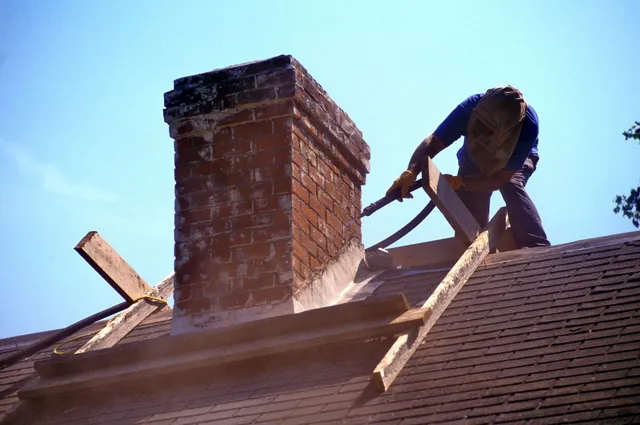
Chimneys often get overlooked because much of their structure sits above eye level. Yet they are continually exposed to rain, wind, temperature changes, and, in some cases, the heat and combustion products associated with fireplaces or heating appliances.
Over time, mortar joints may deteriorate, bricks can crack, and flashing where the chimney meets the roof may begin to separate. Water entering these areas can damage masonry and nearby building materials. In colder climates, moisture that freezes and thaws can accelerate deterioration.
Proper chimney work depends on identifying the actual source of the problem. Repointing damaged mortar may be appropriate in one situation, while deteriorated bricks, damaged flashing, or problems with the chimney liner may require different solutions.
Don’t assume that a stain on the ceiling near a chimney automatically means the roof itself needs replacing. Water may be entering through the masonry, flashing, or another nearby junction. A qualified professional can inspect the area and explain which repairs are necessary.
If your chimney serves a working fireplace or fuel-burning appliance, have it inspected according to applicable safety recommendations. Structural repairs and chimney cleaning are not interchangeable services; both may be important, but they address different concerns.
It’s also worth taking visible cracks, loose bricks, or leaning masonry seriously. These conditions can create safety risks and should be assessed promptly rather than covered with a quick cosmetic fix.
Fresh Paint Can Do More Than Improve Appearance
Few exterior projects change the look of a home as noticeably as a fresh coat of paint. Faded walls, peeling trim, and weathered window frames can make an otherwise well-maintained property appear tired. Restoring these surfaces can bring back a cleaner, more cared-for appearance.
Still, exterior painting should begin with preparation rather than simply opening a paint tin. Surfaces need to be cleaned, loose paint removed, and damaged areas repaired. Wood should be checked for rot, and gaps that require sealing should be addressed with suitable materials before painting begins.
Moisture is particularly important. Painting over damp wood or a wall with an unresolved water problem can lead to blistering, peeling, or further deterioration. If paint keeps failing in the same location, investigate the cause before applying another coat.
Weather conditions matter as well. Many paints require specific temperature and humidity ranges to cure properly. Painting in direct, intense sunlight or immediately before rain may affect the final finish, depending on the product.
Choosing the right coating is just as important as choosing the colour. Masonry, wood, metal, and composite materials may require different primers and finishes. A professional painter should explain which products suit the surface and how long the results are reasonably expected to last.
Plan Exterior Improvements in the Right Order
When several parts of a property need attention, it’s tempting to start with whichever project is most visible. A freshly painted porch may feel more satisfying than repairing a hidden drainage issue, for example. But the order of work can affect how well your investment holds up.
Start with safety concerns and problems that allow water into the building. Address structural damage, roof leaks, unstable decking, and failing masonry before focusing on decorative improvements. Otherwise, later repairs may damage newly finished surfaces or force you to repeat work.
It can also make sense to coordinate related projects. If a contractor is already repairing damaged exterior trim, ask whether nearby surfaces should be inspected before they are painted. If masonry work is planned near a deck or patio, discuss how the area will be protected during construction.
Budgeting helps, too. Request written estimates that describe the materials, labour, preparation, cleanup, and any warranties included. If the project involves hidden structural components, ask how unexpected damage will be handled. Clear expectations can prevent misunderstandings once the work begins.
Choosing a Contractor You Feel Comfortable With
Exterior repairs can involve carpentry, masonry, painting, and other specialised skills. Not every contractor handles all of these tasks, so make sure the person you hire has relevant experience with the work required.
Check references, insurance, and any licences required in your area. Ask for a written scope of work rather than relying on a verbal promise. A dependable contractor should explain the problem, describe the proposed solution, and answer reasonable questions without pressuring you into an immediate decision.
Be cautious of estimates that are dramatically cheaper than others without a clear explanation. The difference may reflect materials, preparation, or important work that has been left out. A fair price should make sense in relation to the scope and quality of the job.
A Well-Cared-for Home Is Built on Small Decisions
Home maintenance rarely comes with a dramatic finish. Often, the reward is simply that the deck feels solid, the chimney stays dry, and the paint continues to protect the exterior through another season.
Those results matter. Small repairs can preserve the materials you already have, improve safety, and reduce the chance of more disruptive work later. Regular inspections also give you time to plan instead of making expensive decisions under pressure.
You don’t have to fix everything in one weekend. Start with the areas that need attention most, seek professional advice when necessary, and keep an eye on the details as the seasons change. With a practical approach and timely care, your home’s exterior can remain attractive, dependable, and ready for many more years of everyday living.