
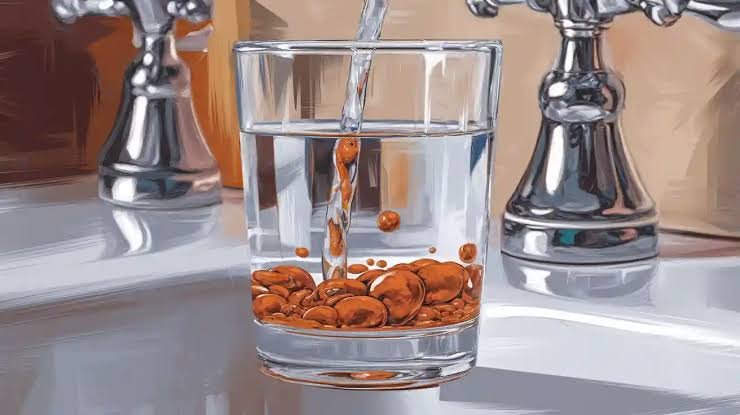
Water is one of those things we rarely question until it starts behaving differently. One morning the sink looks perfectly clean, and the next there’s a rusty ring that refuses to disappear. Maybe the shower develops an odd smell, or the faucet seems coated with a slippery film no matter how often it’s cleaned. These changes can feel random, but they usually aren’t.
In many homes, especially those using private wells, water quality issues develop gradually. They don’t arrive overnight with dramatic warning signs. Instead, they leave behind little clues that are easy to overlook until they become impossible to ignore.
The good news? Those clues often point toward problems that can be identified and corrected before they lead to expensive plumbing repairs or damaged appliances.
Water Changes Over Time
The quality of household water isn’t always constant. Seasonal weather, groundwater conditions, aging plumbing, and naturally occurring minerals can all influence what comes out of your tap.
Even homes in the same neighborhood may experience different water conditions depending on the source of their water and the depth of their wells.
Because these changes happen slowly, homeowners often adjust without realizing they’re living with water that no longer performs the way it should.
That’s why paying attention to small details matters more than many people realize.
When Stains Become More Than a Cleaning Problem
One of the earliest signs of changing water quality is red staining around sinks, bathtubs, toilets, and drains.
These rusty-colored marks often develop because of dissolved iron in the water. As the water is exposed to oxygen, the iron oxidizes and leaves behind stubborn mineral deposits that cling tightly to porcelain, fiberglass, and metal fixtures.
Many people spend countless hours scrubbing these stains with harsh cleaners, only to see them return within days.
The problem isn’t poor housekeeping—it’s the water itself.
Until the source is addressed, the stains will continue appearing no matter how carefully the bathroom or kitchen is cleaned.
Why Surfaces Feel Slippery or Sticky
Another common complaint is the appearance of slimy buildup inside toilet tanks, around faucet aerators, showerheads, or drain openings.
Sometimes this residue comes from naturally occurring iron bacteria that thrive in groundwater. In other situations, mineral deposits combine with organic material to create a film that’s difficult to remove completely.
The buildup may not seem serious initially, but over time it can interfere with water flow, clog fixtures, and reduce the efficiency of filtration equipment or plumbing components.
Cleaning the visible residue helps temporarily, but lasting improvement usually requires identifying the underlying cause.
Strange Smells Shouldn’t Be Ignored
Water should have very little noticeable odor.
If your tap water suddenly develops unpleasant odors , it’s often a sign that something has changed within the water source or plumbing system.
Sulfur-producing bacteria may create a rotten egg smell. Iron bacteria sometimes produce earthy or swamp-like odors. Organic material or stagnant plumbing can also contribute to unusual smells, particularly after water has remained unused for several hours.
While some odors are primarily cosmetic, others indicate conditions that deserve professional evaluation.
Any persistent smell should be investigated rather than masked with air fresheners or bottled water.
Your Plumbing Notices Water Quality Too
Water quality affects much more than visible fixtures.
Minerals and biological deposits slowly accumulate inside pipes, water heaters, pressure tanks, and household appliances. These hidden deposits restrict water flow, reduce heating efficiency, and place additional strain on pumps and plumbing systems.
Because the damage occurs gradually, homeowners often assume aging equipment is simply wearing out naturally.
In many cases, however, improving water quality significantly extends the life of expensive household systems.
Protecting your plumbing often begins with protecting your water.
The Value of Water Testing
One of the biggest mistakes homeowners make is assuming every stain or odor has the same cause.
Iron, manganese, sulfur, sediment, hardness, bacterial activity, and plumbing corrosion can all produce similar symptoms. Without testing, it’s difficult to know which issue actually needs attention.
Professional water analysis removes the guesswork by identifying specific contaminants and measuring their concentrations.
Instead of purchasing unnecessary treatment equipment, homeowners receive recommendations based on actual water conditions.
That makes every future decision much more effective.
Finding the Right Treatment Solution
Modern water treatment isn’t one-size-fits-all.
Some households benefit from sediment filtration. Others require water softeners, oxidation systems, carbon filtration, ultraviolet disinfection, or specialized iron removal equipment.
The right solution depends entirely on what’s causing the symptoms.
Installing equipment without understanding the problem often leads to frustration because the system may solve one issue while leaving the original concern unchanged.
Starting with accurate testing almost always leads to better long-term results.
Simple Habits That Help
Even before treatment systems are installed, homeowners can take a few practical steps to reduce ongoing problems.
Clean faucet aerators regularly to remove accumulated deposits. Flush unused plumbing fixtures occasionally to prevent stagnant water. Service water heaters according to manufacturer recommendations. Replace filter cartridges on schedule instead of waiting until performance declines.
These small habits won’t eliminate underlying water issues, but they help maintain plumbing while reducing visible symptoms between maintenance visits.
Sometimes consistency matters more than complicated solutions.
Better Water Creates a Better Home
People often think of water treatment as something that only affects drinking water.
In reality, cleaner water influences nearly every part of daily life.
Showers become more enjoyable. Coffee tastes fresher. Dishes appear clearer. Laundry feels softer. Fixtures stay cleaner longer. Household appliances often operate more efficiently.
The improvements aren’t dramatic all at once.
Instead, they’re dozens of small conveniences that quietly make everyday living more comfortable.
Final Thoughts
When your home’s water starts leaving stains, creating odors, or producing unusual residue, it’s trying to tell you something.
Ignoring those warning signs rarely makes them disappear. In fact, many water quality issues gradually become more expensive as mineral deposits and biological growth continue affecting plumbing and appliances behind the scenes.
Fortunately, most problems can be identified through proper testing and addressed with the right treatment approach. By paying attention to the early signs and acting before they become major repairs, homeowners can protect both their investment and their daily comfort.
After all, water touches nearly every moment of life at home. Ensuring that it stays clean, dependable, and pleasant to use is one of the smartest long-term decisions any homeowner can make.