
Water plays a role in almost everything we do, from making the morning coffee to washing clothes, preparing meals, and keeping a business running smoothly. Yet it’s easy to take clean, reliable water for granted until something starts to feel off. Maybe your glasses come out of the dishwasher covered in spots, your fixtures develop stubborn white deposits, or the water from your kitchen tap has an unpleasant taste. These small frustrations can become part of everyday life before you realize there’s a better way to handle them.
The first step toward improving water quality isn’t necessarily buying new equipment. It’s understanding what’s happening with your water and deciding which issues deserve attention. Once you have that information, choosing an appropriate solution becomes much less confusing.
Why Every Water Problem Needs a Different Approach
Not all water quality concerns have the same cause. Hard water, for example, contains minerals such as calcium and magnesium. These minerals can leave deposits on faucets, shower doors, and appliances. Over time, scale may accumulate inside pipes and water-heating equipment, creating additional maintenance needs.
Other households may notice an unusual odor, a metallic taste, cloudy water, or staining around sinks and bathtubs. Some issues are mostly cosmetic, while others may require testing to determine whether a health-related concern exists. Assuming that every problem comes from the same source can lead to unnecessary purchases and disappointing results.
This is why effective water treatment solutions should begin with an assessment of the actual water conditions. A water softener may help with hardness, while a sediment filter can capture certain suspended particles. Activated carbon filtration may improve taste and odor, depending on the substances involved. Reverse osmosis can reduce many dissolved substances, but its effectiveness depends on the system design and the contaminants being targeted.
There isn’t one magic device that solves every water problem. The best choice depends on the water supply, the property’s needs, and the results you’re hoping to achieve.
What Can a Water Test Tell You?
Water can look clear and still contain substances that aren’t visible to the naked eye. At the same time, an unpleasant taste or a little white residue doesn’t automatically mean the water is unsafe. Testing helps separate assumptions from useful information.
A water test may measure hardness, pH, iron, manganese, and total dissolved solids. Depending on the source and local risks, additional testing may be appropriate for bacteria, nitrates, lead, arsenic, or other contaminants. The right testing panel depends on whether the property uses municipal water, a private well, or another supply.
For homeowners using well water, regular testing is particularly important because water quality can change with weather, nearby land use, and conditions underground. People using public water supplies can review their utility’s water quality report, although testing at the tap may still be useful when plumbing materials or household-specific concerns are involved.
A test also helps prevent overspending. If hardness is the primary concern, there’s little reason to purchase an expensive system designed mainly for a different problem. And if a particular contaminant is detected, the treatment method should be selected specifically to address it.
Why a Free Water Test Can Be a Useful First Step
Many people delay looking into water quality because they assume the process will be expensive or complicated. In reality, an initial assessment can help clarify the situation and identify the next steps.
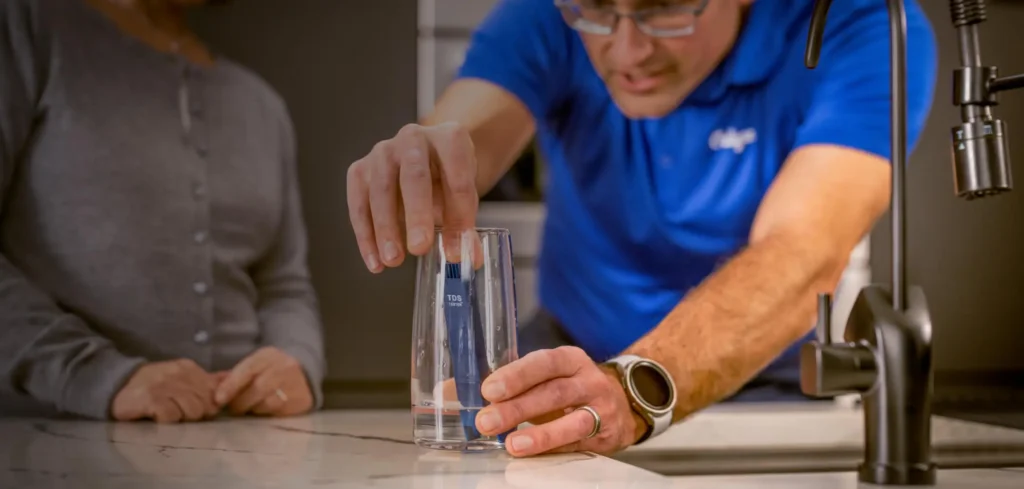
If a local provider offers the opportunity to schedule a free water test, ask what the test includes before arranging a visit. Some basic screenings provide a useful overview of hardness and other general characteristics, but they may not identify every contaminant. A free screening should not be treated as a substitute for certified laboratory testing when a health concern needs a definitive answer.
It’s also worth asking whether the results will be explained clearly. You should understand what was tested, what the findings mean, and whether further investigation is recommended. Be cautious of anyone who uses vague results to pressure you into buying equipment immediately.
A good assessment should leave you better informed, even if you decide not to purchase anything that day. That’s the real value of testing: it gives you a starting point based on evidence rather than guesswork.
Choosing Equipment for Your Home or Business
Once you know more about your water, the next decision is selecting a system that fits your needs. Start with how the water is used throughout the property.
A whole-home filtration system treats water entering the building, making it useful when a specific concern affects multiple taps. A water softener is designed to reduce hardness minerals and can help minimize scale. Under-sink drinking water systems focus on water used for drinking and cooking, while reverse osmosis systems may be appropriate when testing identifies dissolved substances that the selected unit is certified to reduce.
Commercial properties often have additional considerations. Restaurants, offices, salons, hotels, and other businesses may need equipment that can handle higher water demand. In these settings, system capacity, maintenance requirements, and service availability can matter just as much as filtration performance.
Before making a decision, ask about installation, replacement filters, expected operating costs, and routine servicing. Check the manufacturer’s performance claims and certifications, where applicable, to make sure the system is suitable for your specific concern. A system that works well for one household may not be the right fit for a larger property.
Don’t Overlook Maintenance After Installation
Even a well-designed water treatment system needs attention. Filters become less effective as they reach the end of their service life, softeners need appropriate salt and periodic checks, and some systems require cleaning or professional servicing.
Following the manufacturer’s maintenance schedule is one of the simplest ways to protect your investment. Keep a note of filter replacement dates, pay attention to changes in taste or water flow, and arrange an inspection if the system begins behaving differently.
Ignoring maintenance can undermine the results you originally paid for. In some cases, neglected equipment may also become a source of performance or hygiene concerns. If a system has been sitting unused for an extended period, follow the manufacturer’s instructions before returning it to regular service.
It helps to choose equipment that suits your lifestyle, too. If you prefer minimal hands-on maintenance, look for a system with clear service requirements and dependable replacement-part availability. Convenience is important, but it should never come at the expense of appropriate care.
Look for Clear Advice, Not Pressure to Buy
Water treatment can seem technical, particularly when you’re comparing different filters, softeners, and treatment methods. You shouldn’t have to become an expert in water chemistry just to make a sensible decision.
A trustworthy provider should explain the test results in everyday language, outline suitable options, and discuss both benefits and limitations. They should also be willing to explain when treatment isn’t necessary or when laboratory testing would be a better next step.
Ask for a written estimate that separates equipment, installation, and ongoing maintenance costs. Compare the information carefully rather than choosing solely on the lowest initial price. A cheaper system may cost more over time if its filters are expensive or its capacity doesn’t match your needs.
If you have questions about an existing system, bring those up before replacing it. Sometimes a service visit, a properly timed filter change, or a small adjustment can resolve the problem without a completely new installation.
Take the First Step Toward Better Water
Improving water quality doesn’t need to become a major project. Start by paying attention to what you’ve noticed, whether it’s mineral buildup, staining, an unusual taste, or concerns about a private well. Gather reliable information, test when appropriate, and compare solutions that address the specific issue.
If you’d like professional guidance, get in touch today to discuss your concerns, understand your testing options, and learn which next steps may make sense for your property.
The goal isn’t to install the most expensive equipment or treat water that doesn’t need treatment. It’s to make informed decisions that improve everyday comfort, protect suitable equipment, and provide greater confidence in the water you use. With a little investigation and the right advice, a frustrating water problem can become something much easier to manage.