
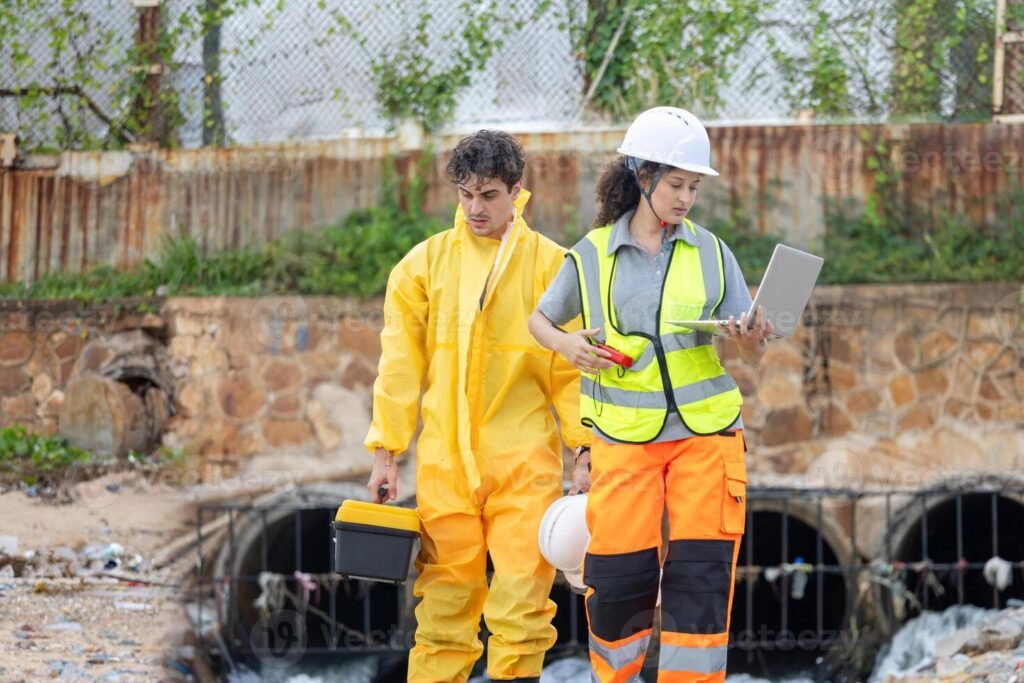
Water doesn’t usually get much attention until something goes wrong. A faucet develops a strange taste. A water heater starts struggling. A coffee machine needs cleaning more often than expected. Maybe there’s scale around fixtures that seems to return almost as quickly as it’s removed.
For homeowners and businesses, these little warning signs can be easy to dismiss. But water quality can influence much more than what comes out of a drinking faucet. It can affect plumbing, appliances, cleaning routines, production processes, and the overall experience of people using a property.
The good news is that understanding the water doesn’t have to be complicated. A little testing, the right treatment, and sensible maintenance can go a long way.
Water Quality Starts With What’s Actually in the Water
Clear water isn’t necessarily perfect water. Some substances are dissolved and completely invisible, while others may only become noticeable through taste, odor, or mineral deposits.
A water test can provide useful information about hardness, pH, sediment, iron, sulfur, chlorine, dissolved solids, and other characteristics depending on the situation.
This is important because different water problems require different solutions. A sediment filter isn’t designed to remove hardness. A water softener isn’t a universal contaminant filter. Reverse osmosis has its own specific applications.
Knowing the water first helps prevent a lot of unnecessary trial and error.
How Water Quality Can Affect Equipment
Water-using equipment has a close relationship with the water passing through it.
Dishwashers, water heaters, coffee machines, ice makers, boilers, humidifiers, and manufacturing equipment can all be influenced by water conditions. Hardness minerals, for example, can contribute to scale buildup over time.
That buildup can affect equipment performance in ways that aren’t always dramatic at first. A machine may still work, but perhaps it takes longer to heat water or requires cleaning more often.
Eventually, small inefficiencies can become larger maintenance concerns.
Treating the underlying water condition won’t eliminate every possible equipment problem, of course. Machines still need regular servicing. But reducing avoidable water-related stress can be a sensible part of preventative maintenance.
The Value of High Water Quality
The phrase high water quality sounds simple, but it can mean different things depending on the application.
A homeowner may care mostly about good-tasting drinking water, fewer mineral deposits, and comfortable showers. A restaurant might need water that supports consistent food and beverage preparation. A manufacturing facility may have very specific process-water requirements.
In other words, “good” water isn’t necessarily the same everywhere.
That’s why treatment should be based on the intended use. Start with the water analysis, understand the application’s needs, and then select technology that addresses those particular conditions.
It isn’t about removing everything from water. It’s about managing the things that actually matter.
Hard Water Is a Common Culprit
Hard water contains minerals such as calcium and magnesium. While these minerals occur naturally, higher levels can create practical problems around a property.
You may see white spots on faucets, cloudy glassware, deposits around showerheads, or scale inside appliances.
Water softeners are commonly used to reduce hardness minerals. When properly selected and maintained, they can help reduce scale formation throughout the plumbing system.
But again, testing matters. Not every home or business has the same hardness level, and the size of the treatment system should reflect actual water usage.
Filtration Can Improve Taste and Odor
Sometimes the biggest water-quality complaint is surprisingly simple: “It doesn’t taste good.”
Chlorine, certain organic compounds, and other characteristics can affect the flavor and smell of drinking water. Carbon filtration is commonly used to improve taste and odor and reduce certain substances.
Point-of-use filtration can be useful for kitchens, break rooms, restaurants, and drinking stations where people directly consume the water.
For larger facilities, centralized treatment may be more appropriate.
The important thing is to understand what the filtration media is designed to do. Marketing language can make every filter sound like a miracle product. Real water treatment is a little more specific than that.
Commercial Properties Have More to Consider
Businesses often have higher water demands and more water-dependent equipment than homes.
Hotels, apartment buildings, restaurants, offices, healthcare facilities, and manufacturing plants may all have different requirements. Peak flow becomes especially important in these environments.
A restaurant during its busiest hour may use far more water than it does during a quiet afternoon. A hotel can experience a large surge of water usage in the morning.
Treatment systems should be sized around realistic demand rather than simply choosing equipment based on the building’s square footage.
Maintenance Makes a Bigger Difference Than People Think
Installing treatment equipment is only the beginning.
Filters need replacement. Softening systems require attention. Reverse osmosis membranes eventually need servicing. UV systems have lamp replacement schedules. Pumps and valves may require inspection.
Neglecting maintenance can gradually reduce system performance.
A simple maintenance calendar can help. Write down when filters were changed, when equipment was serviced, and when water testing was performed. For commercial facilities, keeping these records can be particularly useful.
It’s not glamorous, but it prevents the classic “I thought somebody else handled that” problem.
Ask Questions Before Choosing a System
Water treatment can be a significant investment, especially for commercial properties.
Before purchasing equipment, ask about installation, maintenance, replacement components, operating costs, expected service life, and warranty coverage.
If you’re unsure where to start, a free consultation can sometimes help you understand what options are appropriate before making a purchase. A useful consultation should focus on the actual water conditions and application rather than simply pushing the most expensive equipment.
Don’t be afraid to ask basic questions. A reputable professional should be able to explain the system in plain language.
Look at the Long-Term Picture
The cheapest system isn’t always the least expensive option over time.
Replacement filters, salt, electricity, service visits, membranes, wastewater, and other operating costs can add up. A system that costs slightly more initially may provide better value if it is efficient, durable, and easy to maintain.
Think beyond the installation day.
The real question is whether the system will continue to meet your needs several years from now.
Making Water Treatment Practical
Good water treatment doesn’t have to involve an overwhelming collection of equipment. In many cases, the smartest solution is actually quite straightforward.
Test the water. Identify the real concerns. Consider how the water is being used. Choose treatment technology that fits those needs, and keep up with maintenance.
Whether you’re trying to protect expensive commercial equipment, improve drinking water, or reduce hard-water problems at home, the same principle applies: understand first, treat second.
When water quality is properly managed, the benefits often appear in small, everyday ways. Equipment works as expected. Cleaning becomes easier. Drinking water tastes better. Maintenance teams have fewer surprises.
And sometimes, the best sign of good water treatment is that nobody notices it at all. It simply works quietly in the background, doing its job day after day.