
There’s a certain kind of trust we place in water. It’s quiet, familiar, always there. You turn on the tap, fill a glass, and rarely stop to question it. I mean, why would you? It looks clear, maybe even tastes fine most days.
But sometimes, there are small hints that something’s not quite right. A faint metallic taste. Slight discoloration in the sink. Maybe those reddish stains that refuse to go away no matter how much you scrub. Subtle things, easy to ignore—until they’re not.
And that’s usually where the conversation around water quality begins.
Not All Water Issues Announce Themselves Loudly
One of the trickiest parts about water contamination is how quiet it can be. Some problems are obvious—cloudy water, strange odors—but others slip by unnoticed.
Iron, for example, often leaves visible clues. Rust-colored stains on fixtures, laundry coming out slightly tinted, or that familiar metallic aftertaste. It’s annoying, yes, but at least it gives you a signal.
Arsenic, on the other hand, plays a different game. It’s invisible, odorless, and tasteless. You wouldn’t know it’s there unless you specifically test for it. And that’s what makes it more concerning.
So when both show up in a water supply—which isn’t uncommon in certain groundwater sources—it becomes less about aesthetics and more about health and long-term exposure.
Finding the Right Way to Filter What You Can’t See
Here’s where things get interesting. Not all filtration systems are built the same, and definitely not all of them are equipped to handle both iron and arsenic effectively.
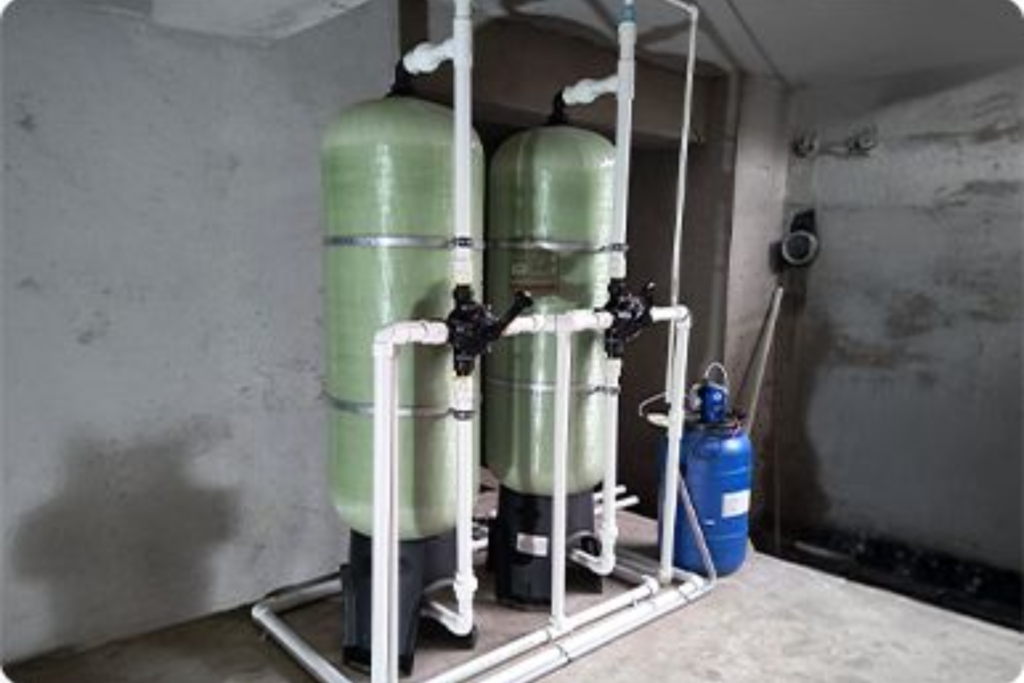
That’s why homeowners today are paying closer attention to iron & arsenic filtration options, especially in areas where groundwater is the primary source. These systems often combine multiple stages—oxidation filters for iron, specialized media for arsenic, sometimes even reverse osmosis as a final polishing step.
It’s not just about removing what’s visible anymore. It’s about targeting what’s hidden too.
And honestly, that shift—from basic filtration to more tailored solutions—feels like a step in the right direction.
Why Water Quality Affects More Than Just Drinking
We tend to think of water in terms of drinking. A glass here, a bottle there. But the reality is, water touches almost everything we do at home.
You cook with it. Wash vegetables. Brew your morning tea or coffee. Even something as simple as boiling pasta depends on the quality of water you’re using.
Ever noticed how tea sometimes tastes slightly off, even when you’re using the same brand? Or how certain dishes don’t quite come out the way you expect?
Water plays a role there. A quiet one, but significant.
And when you improve that quality, you start noticing small changes. Food tastes cleaner. Beverages feel more balanced. It’s not dramatic, but it’s definitely noticeable.
The Bigger Goal: Consistency You Can Trust
At the end of the day, what most people really want isn’t perfection—it’s consistency.
You want to know that the water coming out of your tap today will be just as safe tomorrow. No surprises. No guesswork.
That’s where the idea of safer drinking water becomes more than just a phrase. It becomes a daily expectation.
Modern filtration systems are built around that idea. They’re designed to work quietly in the background, maintaining quality without constant attention.
You don’t have to think about it every time you take a sip. And that’s kind of the point.
Testing First, Then Deciding
If there’s one step that often gets overlooked, it’s testing.
People tend to jump straight into buying a filtration system without really knowing what’s in their water. And while that might work in some cases, it’s not always the best approach.
A proper water test gives you a clear picture. Iron levels, arsenic presence, hardness, pH—it lays everything out.
From there, choosing a system becomes less about guesswork and more about solving an actual problem.
Because honestly, installing the wrong system can be just as frustrating as having no system at all.
Maintenance Isn’t Glamorous, But It Matters
Let’s talk about the part nobody loves—maintenance.
Filters need replacing. Systems need occasional servicing. It’s not exciting, but it’s necessary.
The good news is, newer systems are becoming more user-friendly. Longer-lasting components, easy filter changes, even reminder alerts in some cases.
It’s all designed to make the process smoother, less of a hassle.
And when something is easy to maintain, you’re more likely to stick with it. Which, in the long run, keeps your water quality consistent.
Water Waste and Efficiency — A Growing Concern
There’s also been a lot of discussion around water waste, especially with traditional filtration methods.
Older systems, particularly reverse osmosis units, were known for discarding a significant amount of water during the purification process.
Now, newer designs are addressing this. Better efficiency, improved recovery rates, and even ways to reuse rejected water for non-drinking purposes.
It’s not perfect yet, but it’s moving in a better direction. And that matters—especially in regions where water conservation is becoming increasingly important.
The Subtle Difference You Feel Over Time
What’s interesting about improving water quality is how subtle the benefits can be at first.
You don’t always notice it immediately. There’s no dramatic moment where everything changes overnight.
But over time, things start to feel different. More consistent. More reliable.
You stop worrying about stains. Food tastes better. You drink more water without even thinking about it.
It’s a quiet kind of improvement. But it adds up.
Final Thoughts: Paying Attention to What We Usually Ignore
Water is one of those things we use every single day, yet rarely stop to think about.
Until something feels off.
And maybe that’s the takeaway here—not to overcomplicate things, but to be a little more aware.
To notice the signs. To test when needed. To choose solutions that actually match your situation.
Because when your water is right, everything else—cooking, drinking, daily routines—just feels a bit easier.
And sometimes, that’s all you really need.