
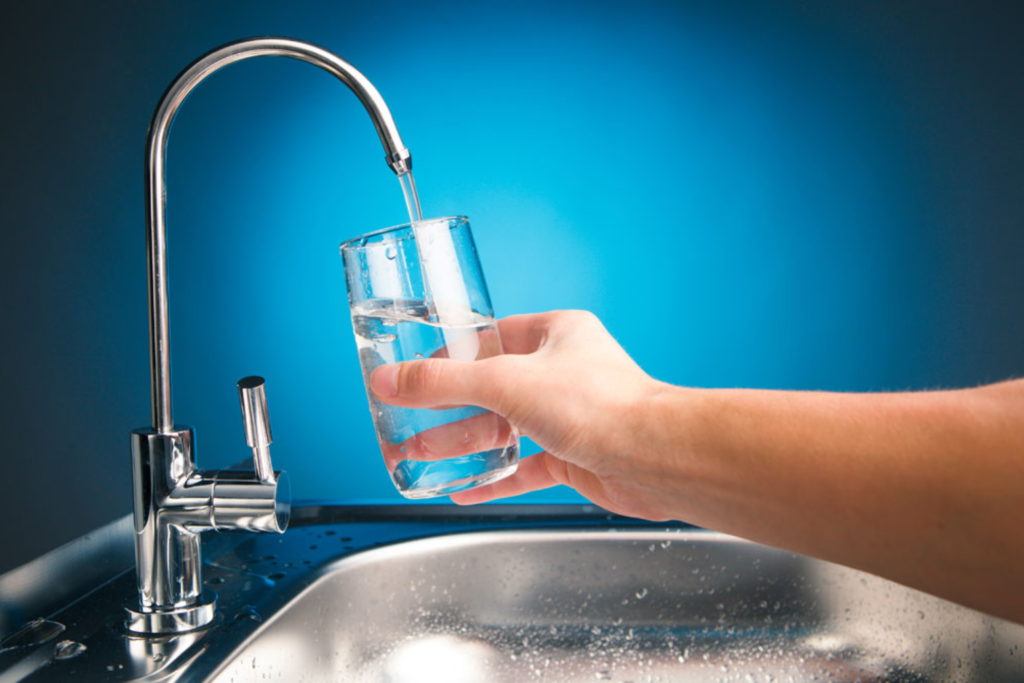
There’s a certain kind of comfort you don’t really notice until it’s gone. Water is one of those things. It’s always there—running through your taps, filling your kettle, rinsing your dishes. You don’t think about it much… until something changes.
Maybe it’s the stubborn white residue on your faucets. Maybe your shower leaves your skin feeling tight instead of refreshed. Or your appliances—once reliable—start showing signs of wear a little earlier than expected.
It’s rarely dramatic. Just a slow buildup of small annoyances that somehow make your home feel slightly less effortless than it used to.
The Quiet Clues Your Water Leaves Behind
Hard water has a way of introducing itself without ever saying its name. It leaves traces instead.
You’ll see it in the chalky deposits around taps. You’ll feel it in the way your soap refuses to lather properly. Even your laundry might come out feeling rougher than it should.
At first, it’s easy to ignore. You clean a little more, adjust your routine, maybe switch products. But those fixes don’t really solve the problem—they just work around it.
And over time, that can get tiring.
What’s Really Happening Beneath the Surface
The root of the issue usually comes down to minerals—mainly calcium and magnesium. They’re naturally present in water, and they’re not harmful in small amounts. But when levels are high, they begin to interfere with how water behaves.
As water flows through your pipes and appliances, these minerals settle and form deposits. Slowly. Quietly. But consistently.
That’s where scale buildup prevention becomes more than just a technical term. It’s about stopping that accumulation before it starts affecting everything else.
Because once scale builds up, it doesn’t just sit there—it creates friction. It makes systems work harder. It reduces flow, efficiency, and sometimes even lifespan.
Why Your Appliances Feel the Difference First
It’s easy to overlook how much your appliances rely on water. Your washing machine, dishwasher, water heater—they all depend on it functioning properly.
When mineral buildup starts to take hold, these systems have to compensate. Heating elements get coated. Pipes narrow. Water flow becomes less efficient.
And that’s where appliance efficiency quietly takes a hit.
You might not notice it immediately, but over time, you’ll see the effects. Longer heating times. Higher energy usage. Repairs that seem to come out of nowhere.
Improving your water quality doesn’t just benefit your daily routine—it supports the systems that keep your home running.
The Way Water Feels Matters More Than You Think
There’s something almost intangible about how water feels. You don’t usually think about it—until it changes.
Hard water tends to leave a film behind. On your skin, on your hair, even on your dishes. It’s subtle, but it affects how “clean” things actually feel.
When that changes—when you experience a softer water feel—it’s noticeable in a quiet, almost surprising way.
Your skin feels smoother after a shower. Your hair is easier to manage. Soap rinses off properly instead of lingering.
It’s not a dramatic transformation. But it’s enough to make you pause and think, “Oh… this is better.”
Small Improvements That Add Up Over Time
What’s interesting is that none of these changes happen overnight. There’s no single moment where everything suddenly feels different.
Instead, it’s gradual.
You stop scrubbing your faucets as often. Your laundry feels softer without extra products. Your appliances run without those small inefficiencies you didn’t even realize were there.
It’s like your home starts working with you again, instead of against you in small, frustrating ways.
Finding a Solution That Fits Your Life
When people start looking into water improvements, they often feel overwhelmed. There are systems, options, features—it can seem like too much.
But it doesn’t have to be complicated.
Start with what you’re experiencing. Are you dealing with buildup? Dryness? Appliance issues? Those are your clues.
From there, the right approach becomes clearer. Not every home needs the same solution, and that’s okay.
The goal isn’t to create a perfect system—it’s to create one that makes your daily life easier.
Why It’s Worth Paying Attention (Even If Nothing Feels Urgent)
Water issues don’t usually demand immediate action. They’re not loud or obvious. They settle into your routine, becoming part of your “normal.”
But that doesn’t mean they’re insignificant.
Because when something touches almost every part of your day, even small improvements can have a big impact.
Less cleaning. Better comfort. More efficiency.
These aren’t flashy benefits, but they’re meaningful ones.
Final Thoughts: A Quiet Upgrade That Stays With You
At the end of the day, improving your water isn’t about making a big, visible change. It’s about removing the small obstacles that have quietly been affecting your home.
Because when your water is balanced—when it flows cleanly, feels right, and doesn’t create extra work—you stop thinking about it altogether.
And that’s the best kind of upgrade.
One that doesn’t demand attention. One that simply makes everything else a little smoother, a little easier… and a lot more comfortable.