
There’s a certain comfort in routines we don’t have to think about. Water is one of them. You turn on the tap, fill a glass, rinse vegetables, wash your face—and everything just flows the way it should.
Until one day, it doesn’t.
Maybe the pressure feels off. Maybe there’s a faint drip under the sink you hadn’t noticed before. Or maybe your water tastes slightly different, just enough to make you pause.
It’s never dramatic at first. But it’s enough to interrupt that quiet trust you’ve built with your own home.
Why Water Problems Rarely Announce Themselves Loudly
The tricky part about water systems is that they don’t usually fail all at once. They give you hints.
A slow leak. A drop in pressure. A strange sound in the pipes. These aren’t urgent alarms—they’re whispers. And because they’re easy to ignore, they often get pushed aside.
But water has a way of reminding you eventually.
What starts as a minor inconvenience can slowly evolve into something more disruptive. And by the time it’s obvious, the fix isn’t always as simple as it could’ve been.
That’s why noticing early matters more than most people realize.
When Filtration Systems Start to Slip
Reverse osmosis systems are often installed with a sense of confidence. They’re reliable, efficient, and known for improving drinking water quality.
But like anything else, they’re not immune to wear and tear.
Over time, membranes can clog. Filters lose effectiveness. Pressure levels can shift. These changes don’t always show up immediately, which makes RO system failures particularly tricky.
You might notice a slower flow rate. Or water that doesn’t taste quite as clean as it used to. Sometimes, there’s no clear sign at all—just a subtle decline in performance.
Regular maintenance helps, of course. But awareness is just as important. Knowing how your system usually behaves makes it easier to spot when something’s off.
The Quiet Trouble of Small Leaks
Leaks aren’t always dramatic bursts or visible cracks. In fact, most of them start small.
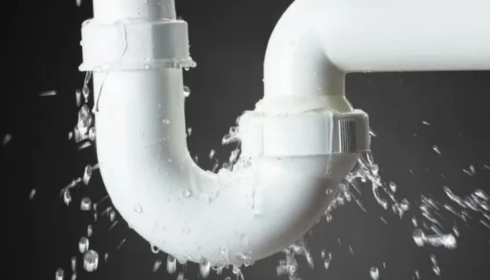
A loose fitting. A worn-out seal. A connection that’s just slightly off. These are the kinds of issues that lead to filter leaks, often unnoticed until they’ve been there for a while.
You might see a bit of moisture under the unit. Or notice that things feel damp when they shouldn’t. It’s easy to dismiss at first—wipe it down, tighten something, move on.
But even small leaks can cause bigger problems over time. Water damage doesn’t need much to get started. And once it does, it tends to spread quietly.
Catching these issues early can save you from dealing with something far more complicated later.
When Problems Show Up Out of Nowhere
Some water issues build slowly. Others seem to appear overnight.
One day everything’s fine. The next, your system isn’t working the way it should. Pressure drops. Water stops flowing. Something just feels… off.
These sudden water problems are often the most frustrating because they don’t give you time to prepare. They interrupt your routine and demand immediate attention.
Sometimes the cause is simple—a blocked filter, a tripped system, a temporary disruption. Other times, it points to something deeper.
Either way, the key is not to panic. Start by checking the basics. Look for visible signs, listen for unusual sounds, and consider when the issue first appeared.
Even a little observation can go a long way in understanding what’s happening.
Why Quick Fixes Don’t Always Hold Up
There’s a natural urge to fix things quickly. Tighten a connection, reset the system, replace a filter. And sometimes, that’s enough.
But water systems are interconnected. What looks like a small issue on the surface can have a deeper cause.
A leak might be a symptom of pressure imbalance. A filtration issue might stem from clogged components upstream. Without understanding the full picture, quick fixes can become temporary solutions.
That’s why it’s worth taking a step back and looking at the system as a whole.
The Role of Regular Attention (Without Overthinking It)
You don’t need to become an expert to keep your water system in good shape. But a little attention goes a long way.
Check for leaks occasionally. Notice changes in water flow or taste. Keep track of when filters were last replaced. These small habits can help you stay ahead of potential problems.
It’s not about constant monitoring—it’s about awareness.
And once it becomes part of your routine, it doesn’t feel like extra work.
When to Call in Help
There’s a point where DIY fixes stop being enough.
If leaks persist, if pressure issues don’t resolve, or if your system behaves unpredictably, it’s probably time to bring in someone who knows what they’re doing.
Professional help isn’t just about fixing the immediate problem. It’s about identifying the cause and preventing it from happening again.
And sometimes, that’s the difference between a one-time repair and an ongoing issue.
A Final Thought That Feels Real
Water systems are easy to forget about—until they remind you they exist.
And when they do, it’s usually not at a convenient time.
But here’s the thing: most problems don’t come out of nowhere. They build slowly, giving you small chances to notice, to act, to prevent.
Paying attention doesn’t mean worrying. It just means staying aware of the systems that quietly support your daily life.
Because when your water flows the way it should, everything else feels just a little bit easier.
And honestly, that’s all most of us are really after.