
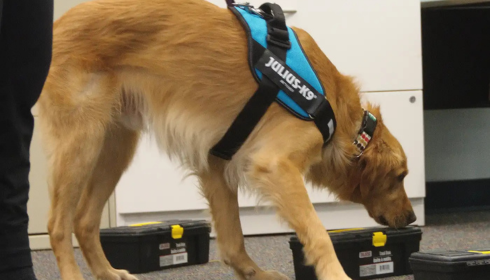
Dogs are naturally gifted with an extraordinary sense of smell, capable of detecting scents imperceptible to humans. At Rob’s Dog Training, we specialize in scent work for dogs, an engaging activity that taps into this instinct while promoting mental stimulation, confidence, and stronger bonds between dogs and their owners. Whether you’re a first-time dog owner or an experienced trainer, understanding the benefits and practical techniques of scent work can elevate your dog’s daily routine.
What Is Scent Work for Dogs?
Scent work, sometimes referred to as nose work, is a structured activity that encourages dogs to locate a specific scent. Unlike traditional obedience training, scent work is less about commands and more about allowing your dog to use its innate abilities. This activity is not only mentally stimulating but also provides physical exercise, problem-solving practice, and emotional satisfaction.
Dogs have an olfactory system 10,000 to 100,000 times more sensitive than humans. This makes them naturally suited for scent detection, which is why scent work can be an incredibly rewarding form of enrichment. At Rob’s Dog Training, we teach dogs to detect and alert to specific scents, gradually increasing difficulty to maintain engagement and challenge.
Benefits of Scent Work for Dogs
Engaging in scent work offers a host of advantages for both dogs and their owners:
- Mental Stimulation: Searching for scents engages multiple areas of a dog’s brain, improving cognitive skills and focus.
- Confidence Building: Successfully locating a scent reinforces positive behavior and strengthens a dog’s confidence.
- Reduced Behavioral Problems: Dogs that are mentally stimulated through scent work are less likely to develop destructive behaviors.
- Enhanced Bonding: Working together in scent games promotes trust and communication between dog and owner.
- Physical Exercise: Even low-intensity scent work encourages movement, making it ideal for dogs of all energy levels.
Studies on canine cognition show that activities stimulating problem-solving skills and scent detection can improve overall behavior and emotional well-being. Engaging your dog’s senses in this way creates a fulfilling and natural outlet for energy and instincts.
Getting Started with Scent Work at Home
Introducing scent work at home can be simple and effective with the right approach. Here’s how you can get started:
- Choose Your Scent: Begin with a familiar scent, such as a favorite toy, treat, or essential oil approved for dogs.
- Create a Search Area: Start with a confined space like a room or backyard. Place the scent in an accessible spot.
- Use Positive Reinforcement: Encourage your dog to search for the scent and reward successful finds with treats or praise.
- Increase Complexity Gradually: As your dog improves, hide scents in more challenging locations and consider multiple scent sources.
- Keep Sessions Short and Fun: Limit training sessions to 10–15 minutes to maintain engagement and prevent frustration.
By practicing consistently, your dog learns to associate scent detection with positive outcomes, gradually improving their skills.
Tools and Equipment for Scent Work
While scent work can be as simple as using household items, certain tools enhance training effectiveness:
- Scented Articles: Toys, essential oils, or pre-scented objects specifically designed for nose work.
- Containers or Boxes: Hide scents inside boxes to create an organized search challenge.
- Treats or Clickers: Reinforce successful finds to strengthen learning.
- Mat or Target Areas: Teach dogs to indicate scent detection by sitting, pawing, or touching a designated area.
Investing in appropriate tools ensures training is safe, engaging, and structured for your dog’s success.
Advanced Scent Work Techniques
Once your dog is comfortable with basic scent detection, you can introduce more advanced techniques to expand their abilities:
- Multiple Scent Searches: Introduce two or more scents and have your dog identify each separately.
- Distraction Training: Add distractions like toys or other scents to improve focus and accuracy.
- Outdoor Challenges: Move scent work outdoors to expose dogs to new environments and scents.
- Timed Searches: Use time limits to enhance problem-solving speed and efficiency.
These advanced methods not only challenge your dog cognitively but also simulate real-world scent detection tasks, adding depth to training sessions.
Common Challenges and How to Overcome Them
Like any training method, scent work comes with challenges. Common obstacles include:
- Lack of Interest: Some dogs may initially ignore scent cues. Start with highly motivating rewards and shorter sessions.
- Overexcitement: Dogs may become overly excited during searches. Teach calmness cues and structured breaks.
- Difficulty Generalizing: Dogs may struggle to identify scents in new locations. Practice in varied environments to enhance adaptability.
Patience, consistency, and positive reinforcement are key to overcoming these challenges and ensuring a rewarding experience for both dog and owner.
Scent Work for Dogs With Special Needs
Scent work is highly adaptable for dogs with special needs or limitations:
- Older Dogs: Low-impact scent searches provide mental stimulation without strenuous activity.
- Shy or Anxious Dogs: Structured scent games offer safe confidence-building exercises.
- High-Energy Dogs: Scent work channels excess energy constructively, reducing destructive behaviors.
By tailoring scent work to your dog’s individual needs, you create a more inclusive and beneficial training experience.
Incorporating Scent Work Into Daily Life
You don’t need formal training classes to practice scent work. Integrate it into everyday routines:
- Hide small treats around the house for short search games.
- Use scent work as part of fetch or walk routines.
- Rotate scents to keep your dog’s experience novel and stimulating.
- Involve family members in scent games to increase social interaction and bonding.
Even brief daily scent challenges can significantly enhance your dog’s mental and emotional health.
Why Professional Guidance Matters
While home-based scent work is effective, professional training accelerates learning and ensures safety. At Rob’s Dog Training, we offer expert guidance on scent work for dogs, teaching you the techniques to:
- Identify the right scent cues for your dog.
- Implement structured, progressive training programs.
- Address behavioral challenges with evidence-based strategies.
- Prepare dogs for competitive or recreational scent trials if desired.
Professional instruction ensures both dog and owner gain maximum benefit from scent work, fostering lasting engagement and success.
Success Stories from Scent Work Training
Many clients at Rob’s Dog Training have seen transformative results through scent work:
- Luna, a shy Labrador: Increased confidence and social comfort after weeks of structured searches.
- Max, a high-energy Border Collie: Reduced destructive behavior and improved focus through daily scent games.
- Bella, a senior mixed breed: Maintained mental sharpness and physical engagement despite mobility limitations.
These stories highlight how scent work can be tailored to any dog, providing measurable improvements in behavior, engagement, and overall well-being.
Getting Started With Rob’s Dog Training
For dog owners eager to explore the full potential of scent work, Rob’s Dog Training offers a structured, supportive environment. Located at 4204 E Indian School Rd, Phoenix, AZ 85018, we provide programs for dogs of all ages and skill levels.
Key offerings include:
- One-on-one scent work sessions.
- Group classes that encourage socialization.
- Customized training plans to meet your dog’s needs.
- Expert guidance for competitive scent trials or recreational training.
Our experienced trainers prioritize your dog’s learning style, temperament, and physical condition, ensuring an engaging and safe training experience.
Tips for Long-Term Success
To maximize the benefits of scent work, consider these ongoing practices:
- Consistency: Regular sessions reinforce skills and maintain interest.
- Variety: Introduce new scents, locations, and challenges to prevent boredom.
- Positive Reinforcement: Reward all successful attempts to strengthen learning.
- Observation: Pay attention to your dog’s responses and adjust difficulty accordingly.
- Community Engagement: Participate in local or online scent work communities to share tips, celebrate successes, and learn from others.
By following these strategies, scent work becomes a lifelong enrichment tool that strengthens both mental and emotional development.
Conclusion
Scent work for dogs is a dynamic, enriching activity that combines mental stimulation, physical exercise, and deep emotional engagement. By tapping into your dog’s natural olfactory abilities, you foster confidence, reduce behavioral issues, and create lasting bonds. Whether practicing at home or under professional guidance, scent work offers a structured and rewarding outlet for dogs of all breeds, ages, and energy levels.
At Rob’s Dog Training, we guide owners through every stage of scent work, providing expertise, structured training, and ongoing support. If you’re ready to give your dog a meaningful, engaging experience, explore our programs and discover how scent work can transform your dog’s life.