
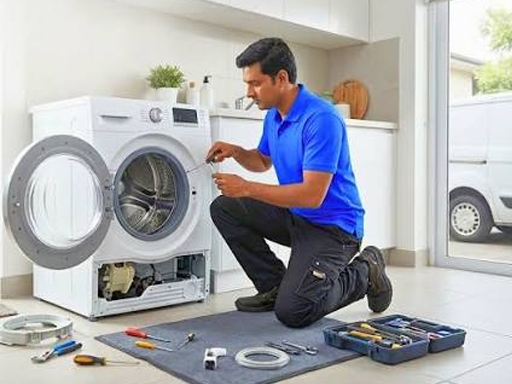
There’s a certain rhythm to household chores. Laundry goes into the washer, moves to the dryer, gets folded, and life carries on. It’s such a familiar routine that we hardly think about the appliances making it possible. The dryer, in particular, quietly does its job without asking for much attention.
Until one day it doesn’t.
Maybe your clothes come out warm but still damp. Maybe the dryer makes an odd squealing sound that wasn’t there last week. Or perhaps it simply refuses to start, leaving a basket of wet clothes waiting for a solution.
The good news is that most dryer issues don’t appear overnight. They develop slowly, giving homeowners plenty of opportunities to catch small problems before they become expensive repairs. Paying attention to those warning signs can save time, lower energy bills, and even help prevent safety risks.
Your Dryer Works Harder Than You Might Think
Although a dryer isn’t running all day long, it still handles a significant workload throughout the year.
Large families may run several loads every week, while smaller households still rely on the machine for towels, bedding, seasonal clothing, and everyday laundry. Every drying cycle places stress on moving parts, heating components, electrical connections, and airflow systems.
Over time, normal wear is unavoidable.
Belts stretch, rollers wear down, thermostats lose accuracy, motors age, and sensors become less responsive. None of these changes happen instantly, which is why regular maintenance plays such an important role in keeping the appliance working efficiently.
Small Changes Usually Mean Something
Many homeowners assume a dryer will stop working all at once.
In reality, most machines give subtle hints long before complete failure occurs.
Perhaps drying cycles suddenly take much longer. You might notice unusual vibrations or a slight burning smell after several loads. Sometimes the drum doesn’t spin as smoothly as before, or the outside of the dryer becomes unusually warm.
These early symptoms deserve attention.
Ignoring them often allows one worn component to place additional strain on several others, turning a simple repair into a much larger one.
Don’t Wait Until It Stops Completely
One of the most common mistakes homeowners make is continuing to use a dryer that’s “still working.”
While it may continue operating, damaged components rarely repair themselves. Instead, they gradually wear neighboring parts until the repair becomes more extensive.
Scheduling professional dryer repair at the first sign of trouble often prevents additional damage while reducing both repair costs and downtime.
Addressing problems early is almost always more affordable than waiting for a complete breakdown.
Clean Airflow Is Essential
When people think about dryer maintenance, they usually remember to clean the lint filter.
That’s an excellent habit—but it’s only part of the story.
Lint also accumulates inside vent hoses and exhaust ducts over time. As airflow becomes restricted, the dryer struggles to remove moisture from clothing. The result is longer drying cycles, higher energy consumption, and increased wear on heating elements and motors.
Even more concerning, excessive lint buildup is one of the leading causes of household dryer fires.
Periodic vent cleaning improves safety while helping the appliance perform far more efficiently.
Why Experience Matters
Modern dryers contain far more technology than many people realize.
Electronic control boards, moisture sensors, thermal fuses, heating elements, drive motors, belts, rollers, and safety switches all work together during every cycle.
Diagnosing problems without proper knowledge can quickly become frustrating.
Experienced appliance technicians understand how these components interact. Rather than replacing parts through trial and error, they identify the actual source of the malfunction and recommend repairs based on accurate testing.
That saves homeowners both time and unnecessary expense.
Strange Sounds Are Worth Investigating
Every dryer produces normal operating sounds, but unusual noises are different.
A squealing noise often points toward worn rollers or bearings.
Grinding sounds may indicate damaged support wheels.
Repeated thumping sometimes suggests an uneven drum or worn internal components.
These issues rarely disappear on their own.
Instead, they gradually become worse until additional parts begin wearing prematurely.
Listening carefully to your appliance can actually prevent major repairs later.
Energy Bills Can Tell Their Own Story
Sometimes the first sign of a dryer problem doesn’t come from the appliance itself.
It appears on your monthly utility bill.
As dryers lose efficiency, they require longer heating cycles to dry the same amount of clothing. More operating time means increased electricity or gas consumption.
While the change may happen gradually, the additional energy costs accumulate month after month.
A properly maintained dryer dries clothing faster while consuming less energy, making maintenance a smart long-term investment.
Maintenance Is Surprisingly Simple
Homeowners don’t need advanced technical skills to help protect their dryers.
Cleaning the lint filter after every load, checking exterior vents for blockages, avoiding overloaded cycles, and keeping the area around the dryer clean all contribute to better performance.
These simple habits reduce strain on the equipment while improving airflow.
Combined with periodic professional inspections, they significantly increase the appliance’s lifespan.
It’s remarkable how much difference consistent maintenance can make.
Building Confidence Through Quality Repairs
When a dryer needs service, homeowners naturally want the problem solved correctly the first time.
Temporary fixes may seem appealing because they cost less upfront, but recurring breakdowns often become far more expensive over time.
Choosing companies known for reliable repairs provides greater confidence that the appliance will continue operating efficiently long after the service visit.
Quality workmanship doesn’t just restore today’s performance—it helps prevent tomorrow’s problems.
That’s real value.
When Replacement Becomes the Better Option
Not every dryer should be repaired indefinitely.
If the appliance is more than a decade old, requires frequent service, or develops major electrical or mechanical failures, replacement may provide better long-term value.
Today’s dryers offer improved moisture sensors, greater energy efficiency, quieter operation, and smarter cycle controls compared to many older models.
A trusted technician can help determine whether repairing or replacing the unit makes the most financial sense based on its overall condition.
Having honest guidance makes that decision much easier.
Final Thoughts
Dryers quietly simplify one of life’s never-ending chores, making clean clothes available whenever we need them. Because they work so consistently, it’s easy to overlook them until something changes.
Fortunately, those changes usually happen gradually. Longer drying times, unusual sounds, excess heat, or inconsistent performance aren’t just inconveniences—they’re early opportunities to prevent larger repairs.
By paying attention to warning signs, maintaining proper airflow, scheduling professional service when needed, and caring for the appliance consistently, homeowners can enjoy years of dependable performance.
At the end of the day, looking after your dryer isn’t simply about extending the life of a machine. It’s about protecting your home, reducing energy costs, avoiding unnecessary frustration, and keeping everyday routines running as smoothly as they should.