
When you turn on your tap, you probably don’t think twice. The water runs, it looks clear, maybe even tastes okay. But just because it seems fine doesn’t mean it’s the best it could be—for your health, your home, or your peace of mind. Truth is, a lot of households are dealing with water that’s quietly doing damage, one rusty stain or sulfuric whiff at a time.
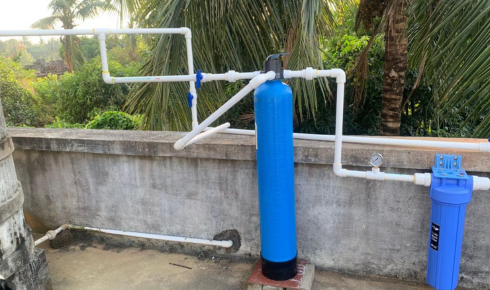
That’s where next-level filtration and treatment systems step in. Not the clunky filters that hang off your faucet, but real-deal, whole-house solutions that handle everything from metals to smells. And in this post, we’re digging into why systems focused on iron removal, sulfur removal, and full-spectrum softener-filter combinations aren’t just worth it—they’re essential.
The Iron That You Don’t Want in Your Diet
You know iron is good for you—until it shows up in your water, uninvited. Iron in well water or even in some older municipal systems isn’t just an aesthetic issue (hello, reddish stains on sinks, tubs, and toilets); it’s corrosive, metallic-tasting, and a real appliance killer.
What’s worse? Iron can build up in pipes, clog water-using appliances, and even mess with your laundry—turning whites dingy and clothes stiff. That’s where a system dedicated to iron removal can make a world of difference. It works silently behind the scenes, stripping away dissolved iron before it ever reaches your showerhead or coffee maker.
Your tap water might not be brown, but if you’ve noticed that odd metallic taste or stubborn orange stains, there’s a good chance iron’s your culprit.
When Water Smells Like Rotten Eggs…
That “rotten egg” smell you sometimes get when you turn on the hot water? That’s sulfur—specifically hydrogen sulfide gas. Not dangerous in small amounts, but it is unpleasant, and it’s usually a sign that your water could use a serious refresh.
Here’s the kicker: regular filters don’t cut it. You need a system designed for sulfur removal, one that targets this gas at the source—often using oxidation, aeration, or catalytic carbon. These aren’t just glorified filters; they’re engineered to treat smelly water at a chemical level.
And it’s not just about your nose. Sulfur can also cause black staining, corrode metals, and contribute to bacterial growth in plumbing systems. Translation: it’s gross, and it needs to go.
Why a One-Size-Fits-All Filter Doesn’t Cut It Anymore
Let’s be real—most off-the-shelf water filters are band-aids. They mask problems, but they don’t solve them. If you’re dealing with hard water and sediment and metallic taste and odor, you need something that can handle all of it without compromise.
That’s where a softener and filter system becomes the MVP. Think of it as a power duo: the softener removes calcium and magnesium (aka the stuff that ruins appliances and dries out your skin), while the filter handles sediment, chlorine, and other nasties. Put them together, and you get water that not only tastes better but behaves better across your whole home.
The difference is night and day. Softer laundry. Shinier dishes. Smoother skin. And plumbing that lasts longer without scale buildup strangling your water flow.
Real Talk: Is It Worth the Investment?
Let’s not pretend these systems are cheap. A solid whole-house treatment setup costs more than that $30 pitcher filter from the store. But when you do the math—repairs, appliance replacements, bottled water, detergent overuse, even potential health risks—the investment starts looking pretty smart.
Plus, many systems now come with long-term warranties, efficient regeneration tech (hello, lower salt use), and smart sensors to keep you informed. That’s not just convenience—that’s control over one of the most vital utilities in your life.
Choosing the Right Setup (Without Losing Your Mind)
The water treatment space is full of jargon—ion exchange, reverse osmosis, oxidation media—and trying to figure it out solo can get overwhelming fast. The truth? You probably don’t need to become a water chemist. You just need a good pro who can test your water and help you pick the right solution for your house.
Some homes need basic softening. Others need aggressive filtration and odor control. Some may even need UV treatment for bacteria. A good provider will walk you through it all and recommend the right blend of systems—whether that’s iron removal, sulfur removal, or a combo softener-filter solution—to keep your water pure and your head clear.
Final Thoughts: Clean Water Isn’t a Luxury—It’s a Right
If your water smells weird, tastes off, or leaves rust rings in the toilet, that’s not something to ignore. Clean water should be a daily norm, not a lucky break. And while most people focus on air quality, food safety, and healthy habits, water is one of those things that quietly underpins all of it.
Whether you’re settling into a new home or realizing your current setup just isn’t cutting it anymore, now’s the time to level up. Get a test. Ask questions. Don’t settle.
Because better water isn’t just clearer—it’s smarter, safer, and a whole lot easier to live with.