
There’s something wonderfully simple about pouring yourself a refreshing glass of water straight from the kitchen faucet. No plastic bottles cluttering the refrigerator, no last-minute trips to the grocery store, and no wondering why your drinking water has an unfamiliar aftertaste.
For many households, though, getting to that point requires a little extra attention to water quality.
Modern reverse osmosis systems provide a practical way to reduce various dissolved contaminants and address certain drinking water concerns. They’ve become an appealing option for homeowners who want dedicated water treatment without necessarily changing their entire household supply.
Still, choosing the right filtration equipment involves more than comparing prices and counting treatment stages. Understanding what you’re purchasing can make a considerable difference in the long run.
What Makes Reverse Osmosis Different From Ordinary Filtration?
Most people are familiar with basic water filters. They might have used a refrigerator filter or a filtration pitcher at some point.
Reverse osmosis, however, works a little differently.
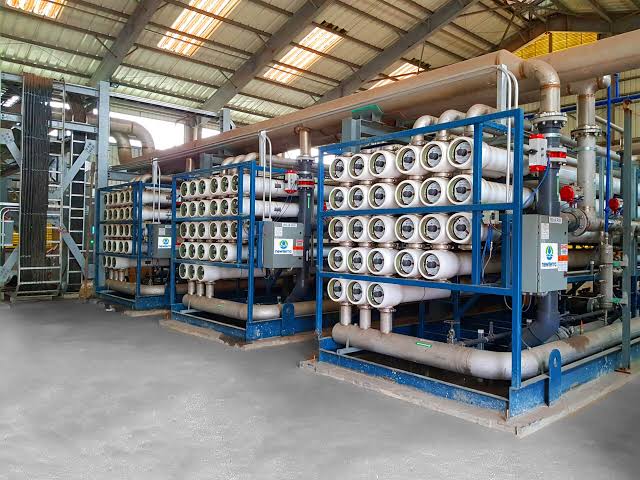
The process uses water pressure to move water through a semipermeable membrane that reduces many dissolved substances. While treated water becomes available for consumption, rejected substances are carried away through a separate wastewater stream.
Ordinary sediment filters primarily capture suspended particles, whereas reverse osmosis can address various substances dissolved within the water itself.
Depending on the equipment’s verified capabilities, this technology may reduce lead, nitrates, fluoride, dissolved salts, and certain other contaminants.
It’s not a universal answer to every water quality problem, though. Proper testing and equipment selection remain important.
Why Treating Drinking Water Where You Use It Makes Sense
Think about how much water your household uses throughout the day. Showers, laundry, toilet flushing, and general cleaning account for considerable consumption.
Not all of that water necessarily requires the same level of treatment as the water you drink.
This is where point-of-use drinking water treatment offers a practical advantage. Instead of treating the entire incoming water supply, equipment is installed at a particular location, typically beneath the kitchen sink.
A dedicated faucet provides treated water for drinking, cooking, and preparing beverages.
For households primarily concerned about drinking water quality, this arrangement may be more economical and straightforward than installing comprehensive treatment throughout the property.
It also allows homeowners to concentrate maintenance efforts on equipment serving a specific purpose.
Sometimes, keeping things simple really is the better approach.
Finding a Filtration System That Fits Your Kitchen
Kitchen storage space is precious. Between cleaning supplies, garbage bins, and everything else tucked beneath the sink, finding room for additional equipment can be challenging.
Fortunately, homeowners comparing reverse osmosis filtration options can explore different configurations, including traditional storage-tank models and compact tankless designs.
Traditional systems generally store treated water in a dedicated tank, making it available when needed. Tankless arrangements produce treated water on demand and may require electricity, depending on their design.
Neither configuration is automatically superior in every situation.
Consider your household’s drinking water consumption, available installation space, incoming water pressure, and budget.
Replacement filter availability matters, too. There’s little benefit in purchasing equipment that’s difficult or expensive to maintain several years down the road.
Could Reverse Osmosis Improve Your Morning Coffee?
Anyone who takes their morning coffee seriously knows that water can influence the finished beverage considerably.
Unwanted tastes and odors sometimes interfere with coffee, tea, and other drinks. Reducing particular substances through appropriate treatment may help create a more enjoyable flavor.
Cooking is another area where treated water can come in handy. Whether you’re preparing homemade soup, boiling pasta, or mixing a refreshing summer drink, having filtered water readily available is convenient.
However, taste remains personal. Some people prefer water containing naturally occurring minerals, while others enjoy the milder taste often associated with reverse osmosis.
Certain systems incorporate remineralization stages to adjust the treated water’s mineral composition and taste.
Understanding Water Efficiency and Operating Costs
One consideration that deserves more attention is water efficiency.
Reverse osmosis produces a reject water stream as part of its treatment process. The amount depends on equipment design, operating pressure, and incoming water conditions.
Comparing efficiency ratings before purchasing a system can help homeowners understand potential water consumption.
Beyond the initial purchase price, consider installation expenses, replacement cartridges, membrane servicing, and any electricity requirements.
A cheaper system might become more expensive to own if its replacement components carry unusually high prices.
Looking at long-term ownership costs often provides a clearer picture of overall value than comparing purchase prices alone.
Don’t Skip Water Testing and Regular Maintenance
Before investing in drinking water treatment, it’s worth finding out what’s actually present in your supply.
Municipal water customers can review local water quality reports, while private well owners should arrange appropriate laboratory testing.
Choose equipment independently certified to reduce the contaminants that concern you.
Once installed, follow the manufacturer’s maintenance schedule. Preliminary filters and membranes eventually require replacement, even when treated water continues tasting normal.
For equipment addressing health-related contaminants, follow-up testing can help verify continued performance.
A Small Kitchen Upgrade With Lasting Value
Reverse osmosis filtration doesn’t need to become an overly complicated home improvement project. For many households, it’s simply a practical way to address specific drinking water concerns.
Understand your water conditions, compare suitable equipment, and choose a system that fits your kitchen and lifestyle.
The benefits may become noticeable in surprisingly ordinary moments: preparing breakfast, filling a reusable bottle before work, or enjoying a quiet cup of tea in the evening.
Better drinking water is one of those everyday conveniences that can gradually become something you wouldn’t want to do without.