
Water quality can be surprisingly different from one neighborhood to another, even when homes are only a few miles apart. Some households deal with hard water that leaves chalky marks on faucets, while others notice chlorine smells, sediment, or water that simply doesn’t taste right. These problems don’t always have an obvious explanation, which is why choosing a treatment system without understanding the water itself can lead to unnecessary spending.
For homeowners, the best place to start isn’t with a product catalog. It’s with a better understanding of what’s coming out of the tap, what needs improvement, and which solutions are actually worth considering.
Why Understanding Your Water Comes First
Water may look perfectly clear and still contain dissolved minerals or other substances that affect its quality. In some homes, the main issue is hardness. In others, it might be sediment, unpleasant taste, odor, or a concern about specific contaminants.
Arizona homeowners, in particular, may encounter mineral-rich water depending on their location and water source. Hard water can leave deposits around showerheads, reduce the efficiency of water heaters, and make cleaning feel like a never-ending chore. Anyone who’s spent time scrubbing white marks from a glass shower door knows how frustrating it can be.
Taking time for water treatment planning and information helps homeowners make decisions based on actual water conditions rather than assumptions. A water test can identify hardness levels and provide useful insight into whether filtration, softening, or another treatment approach would be more appropriate.
Arizona Homes Often Need a Different Approach
Water conditions in Arizona can create some unique challenges for households. Groundwater in many areas contains naturally occurring minerals, and local water sources, seasonal conditions, and municipal treatment practices can influence what homeowners experience at the tap.
There’s no universal solution for every property. A home experiencing significant scale buildup may benefit from a water softener, while another household might be more concerned about chlorine taste or drinking water quality. Some properties may require sediment filtration, particularly when their water supply or plumbing conditions introduce unwanted particles.
Exploring Arizona home water treatment options becomes easier when homeowners understand the difference between these systems. Water softeners primarily address hardness minerals, while filtration systems are designed to reduce particular contaminants depending on their filter media and specifications. Reverse osmosis systems are often used for drinking water treatment, especially when reducing certain dissolved substances is a priority.
Choosing a system without identifying the problem first can be a bit like fixing a car without checking what’s wrong with the engine.
Different Systems Solve Different Water Problems
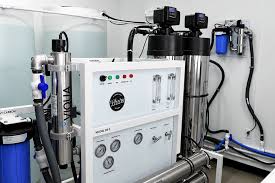
Water treatment equipment comes in several forms, and each has its own purpose. Whole-house filtration systems treat water entering the home, making them useful when homeowners want filtration at multiple faucets and fixtures. These systems can target sediment, chlorine, and other substances depending on their design.
Water softeners are another common choice, particularly where mineral hardness causes scale buildup or affects appliances. They use an ion-exchange process to reduce calcium and magnesium, helping improve the feel of water and limiting mineral deposits.
For drinking and cooking, under-sink filtration systems are often more practical. Reverse osmosis technology can reduce many dissolved substances through a semipermeable membrane, while carbon filters can help improve taste and odor.
It’s worth remembering that not every filter removes every contaminant. Checking performance specifications and certifications is much more useful than assuming a system works simply because it has multiple filtration stages.
Getting Reliable Guidance Before Spending Money
Homeowners can easily become overwhelmed by technical terms, product comparisons, and promises of better water. Some systems are marketed as all-in-one solutions, but water quality isn’t always that simple. A little professional guidance can save considerable time and money.
Good water filtration system guidance should begin with the household’s actual concerns. Are there visible mineral deposits? Does drinking water have an unusual taste? Are appliances experiencing scale problems? Is there a specific contaminant that needs to be reduced?
A knowledgeable water treatment professional should be able to explain available technologies in plain language, discuss maintenance requirements, and help homeowners understand realistic results. They shouldn’t push equipment that doesn’t address the problem.
Water testing is especially important when a household relies on a private well. Testing can help identify potential issues that aren’t visible or noticeable through taste and smell alone.
Maintenance Matters More Than Most People Realize
Installing a water treatment system is only the beginning. Filters need replacement, softeners may require salt, and certain equipment needs periodic inspection. Skipping maintenance can reduce performance and sometimes create problems that could have been avoided with a simple service visit.
Homeowners should keep track of filter replacement dates, follow manufacturer instructions, and pay attention to changes in water pressure or taste. Regular maintenance also makes it easier to spot small issues before they become expensive repairs.
A Smarter Way to Improve Your Home’s Water
Better water doesn’t necessarily mean installing the biggest or most advanced system available. It means choosing equipment that makes sense for your home, your water source, and your everyday needs.
Start with testing, ask questions, compare technologies, and don’t rush the decision. When homeowners understand their water quality, they can make more confident choices, protect plumbing and appliances, and enjoy cleaner, more dependable water without unnecessary complications.
Sometimes the best improvement isn’t a complicated upgrade. It’s simply having the right information before making the investment.