
Why Water Quality Matters More Than Most Businesses Realize
Water is one of those resources that businesses depend on every day but rarely think about until something goes wrong. It flows through kitchens, bathrooms, production areas, heating systems, and countless pieces of equipment. When the water quality is poor, the effects can slowly appear in unexpected places.
A business might notice higher maintenance costs, equipment working harder than usual, or cleaning tasks taking more time. These problems often seem unrelated at first, but water is frequently part of the bigger picture.
For commercial properties, managing water quality is not just about convenience. It’s about protecting investments, improving efficiency, and creating a smoother working environment. A little attention today can prevent expensive headaches in the future.
The Hidden Costs of Poor Water Conditions
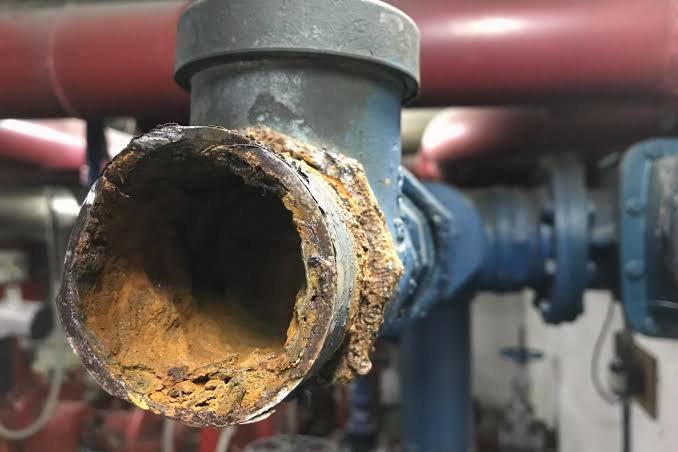
Many commercial water issues develop quietly. Mineral deposits, sediment, and other impurities can build up inside plumbing systems and equipment over time. Unlike sudden breakdowns, these problems usually happen gradually, making them easier to ignore.
However, small inefficiencies can quickly become costly. A water heater covered with mineral deposits may consume more energy. A commercial dishwasher may require additional cleaning. Pipes may experience reduced flow, affecting overall performance.
Businesses that deal with these challenges often look for ways to reduce scale buildup because scale is one of the most common causes of water-related damage. By controlling mineral accumulation, companies can maintain equipment efficiency and avoid unnecessary repairs.
The key is recognizing that prevention is usually less expensive than fixing problems after they happen.
Protecting Valuable Business Investments
Commercial equipment represents a major financial commitment. From restaurant appliances to industrial machines, these systems are expected to perform reliably for years. Unfortunately, poor water conditions can shorten their lifespan.
Minerals such as calcium and magnesium can leave behind deposits that interfere with heating elements, valves, and internal components. Over time, equipment may become less efficient and require more frequent servicing.
A proper water management strategy helps businesses protect commercial equipment by reducing exposure to damaging buildup and improving system performance. This proactive approach allows companies to get more value from their investments.
Think of it like maintaining a vehicle. Regular care keeps the engine running smoothly and prevents bigger issues later. Commercial water systems work the same way.
Understanding the Importance of Water Testing
Before choosing any water solution, businesses should understand what is actually present in their water supply. Every location is different, and water conditions can change depending on the source.
Testing helps identify mineral levels, sediment, and other possible concerns. Without this information, businesses may invest in solutions that don’t fully address their needs.
A professional water evaluation provides a clearer picture of what’s happening behind the scenes. It helps determine whether filtration, softening, purification, or another approach would provide the best results.
This step might seem simple, but it can make a significant difference. The right solution starts with understanding the problem.
How Better Water Improves Daily Operations
Water quality affects more than just machines. It influences everyday tasks throughout a commercial property.
Restaurants depend on water for food preparation, cleaning, and beverages. Hotels use water for guest comfort and laundry services. Offices need reliable drinking water for employees and visitors.
When businesses invest in solutions that provide improved water quality they often notice benefits beyond equipment performance. Cleaning can become easier, products can maintain better consistency, and employees and customers may enjoy a better overall experience.
These improvements may not always be obvious on a balance sheet, but they contribute to smoother operations and stronger customer satisfaction.
Choosing a Long-Term Water Strategy
There is no universal water solution that works for every business. A small office and a large manufacturing facility will have completely different requirements.
The best approach considers factors such as water usage, equipment type, local water conditions, and future business plans. A system that works well today should also support growth tomorrow.
Professional guidance can help businesses choose practical solutions instead of relying on guesswork. Experienced specialists can evaluate the situation, recommend suitable options, and provide maintenance support.
A good water strategy is not just about solving current problems. It’s about creating reliability for years to come.
Reducing Maintenance and Operating Expenses
Every business looks for ways to control costs without sacrificing quality. Water management can play an important role in achieving that balance.
When equipment operates efficiently, businesses may spend less on repairs, energy, and replacements. Employees can complete cleaning tasks more effectively, and daily operations become more predictable.
Preventive care also reduces unexpected interruptions. A sudden equipment failure can affect productivity, customer service, and revenue. Maintaining good water conditions helps reduce these risks.
In many cases, the money saved through better water management can outweigh the initial investment.
Building a More Efficient Future With Better Water
Water may seem like a small part of business operations, but its impact is much larger than many people realize. It influences equipment, expenses, productivity, and customer experiences.
By focusing on water quality today, businesses can create stronger foundations for the future. Cleaner water, efficient systems, and proper maintenance all work together to support long-term success.
The smartest business decisions are often the ones that prevent problems before they appear. Better water management is one of those decisions — a practical step toward a more efficient, reliable, and successful operation.