
There’s something deeply reassuring about turning on your tap and knowing the water flowing out is exactly what it should be — clean, neutral, refreshing. Most of us don’t question it much. We trust municipal systems. We assume it’s fine.
But then something shifts.
Maybe it’s a faint swimming-pool scent when you run a hot shower. Maybe your drinking water tastes slightly metallic. Maybe you notice tiny particles settling at the bottom of a glass after a plumbing repair in your area.
These aren’t dramatic red flags. They’re subtle reminders that water, like anything else, can be improved.
And improving it doesn’t have to be complicated.
The Reality of Treated Water
Municipal water treatment plants use disinfectants — often chlorine — to eliminate harmful bacteria and keep water safe as it travels through miles of pipes. That’s important. It protects public health.
But safety and comfort don’t always feel the same.
Even at regulated levels, chlorine can influence taste and smell. In hot water especially, the scent can become more noticeable. Some people also report that heavily chlorinated water leaves their skin feeling dry after showering.
This is where thoughtful chlorine reduction through activated carbon filtration makes a real difference.
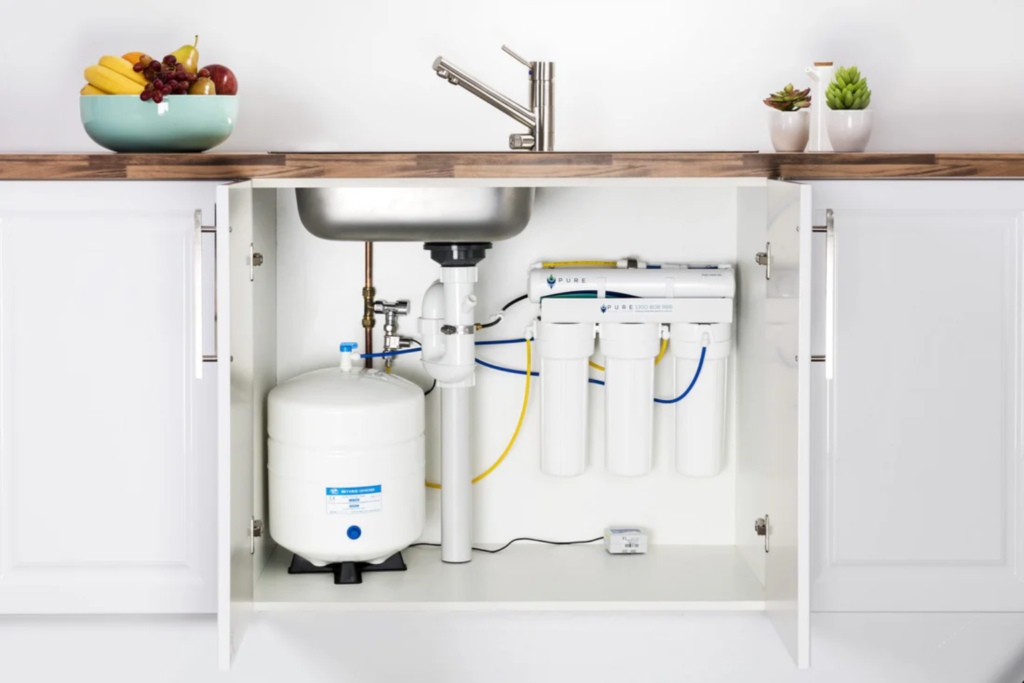
Carbon filters work by adsorbing chlorine molecules and certain organic compounds, reducing that chemical edge without interfering with necessary water flow. The result? Water that tastes cleaner and smells more neutral — especially noticeable in beverages like coffee or tea.
It’s not dramatic. It’s subtle. But once you experience it, it’s hard to un-notice.
The Quiet Concern of Aging Infrastructure
While chlorine is intentional, other issues can arise unintentionally — especially in older homes or cities with aging plumbing infrastructure.
Lead, for example, isn’t typically present in source water. It enters through corroding pipes or fixtures. Even small amounts can raise concerns, particularly for families with young children.
That’s why many homeowners prioritize lead removal when evaluating filtration systems.
Certain advanced filters and reverse osmosis systems are designed specifically to reduce dissolved lead. Testing your water first is essential, of course — guessing isn’t helpful. But if elevated levels are detected, targeted filtration provides peace of mind.
And peace of mind, when it comes to drinking water, is no small thing.
You shouldn’t hesitate before filling a glass.
The Grit You Didn’t Expect
Sometimes the issue isn’t chemical — it’s visible.
After municipal maintenance work or heavy rainfall, you might notice cloudy water or tiny particles floating in a glass. These are often harmless bits of sediment — sand, rust flakes, or debris disturbed within the system.
Still, no one wants to drink cloudy water.
This is where sediment reduction plays a practical role.
Simple sediment filters act as the first line of defense, capturing larger particles before they reach your faucets or appliances. They also protect downstream filters from clogging prematurely, extending overall system life.
For homes on well water, sediment filtration is often even more essential. Groundwater can naturally carry sand or silt, especially during seasonal shifts.
The solution isn’t complex. It’s layered protection.
Layering Solutions Without Overcomplicating
One of the biggest misconceptions about water treatment is that you need everything at once.
In reality, the smartest approach begins with testing. Understand what’s actually in your water — hardness levels, chlorine concentration, possible contaminants. Then choose solutions that match those findings.
If chlorine is the main concern, a carbon filter might be enough. If sediment appears after local infrastructure work, a pre-filter could solve the issue. If lead is detected, more specialized filtration becomes appropriate.
Water treatment works best when it’s intentional, not excessive.
Maintenance Matters — But It’s Manageable
Even the best filtration system requires occasional upkeep.
Filters don’t last forever. Carbon eventually becomes saturated. Sediment cartridges fill up. Membranes age.
The good news? Maintenance intervals are predictable. Many systems now include reminder indicators or digital monitoring. Replacing a cartridge is often straightforward — no plumbing degree required.
Consistency is key.
Neglect doesn’t usually cause sudden failure. It leads to gradual decline in performance. Stay on schedule, and your system will quietly do its job.
The Emotional Impact of Clean Water
There’s a certain calm that comes from trusting your tap.
You cook without hesitation. You serve guests confidently. You stop buying bottled water “just in case.”
Water becomes what it’s supposed to be — a simple, reliable part of daily life.
That quiet confidence isn’t flashy. It won’t trend on social media. But it changes how you feel at home.
Final Thoughts
Water quality doesn’t need to be a source of stress. It just needs attention.
Through targeted chlorine reduction, careful lead removal when necessary, and practical sediment reduction, you can address common concerns without turning your home into a laboratory.
Start with testing. Choose solutions thoughtfully. Maintain them consistently.
Because when your water tastes clean, looks clear, and feels reliable, it fades back into the background — exactly where it belongs.
And sometimes, that’s the greatest improvement of all.